ISMP Canada Bulletin: Near-Miss Oral Ingestion of a Boric Acid Vaginal Suppository Prompts Packaging Changes
A consumer nearly swallowed a boric acid vaginal suppository after mistaking the oral-look capsule for a vitamin, prompting ISMP Canada and manufacturer Szio+ Inc. to add explicit vaginal-use warnings to the Utiva Yeast Control packaging. Pharmacists selling this and similar non-prescription boric acid products need to counsel proactively, since these are self-selected products often sold without a pharmacist consult.
In this article & details
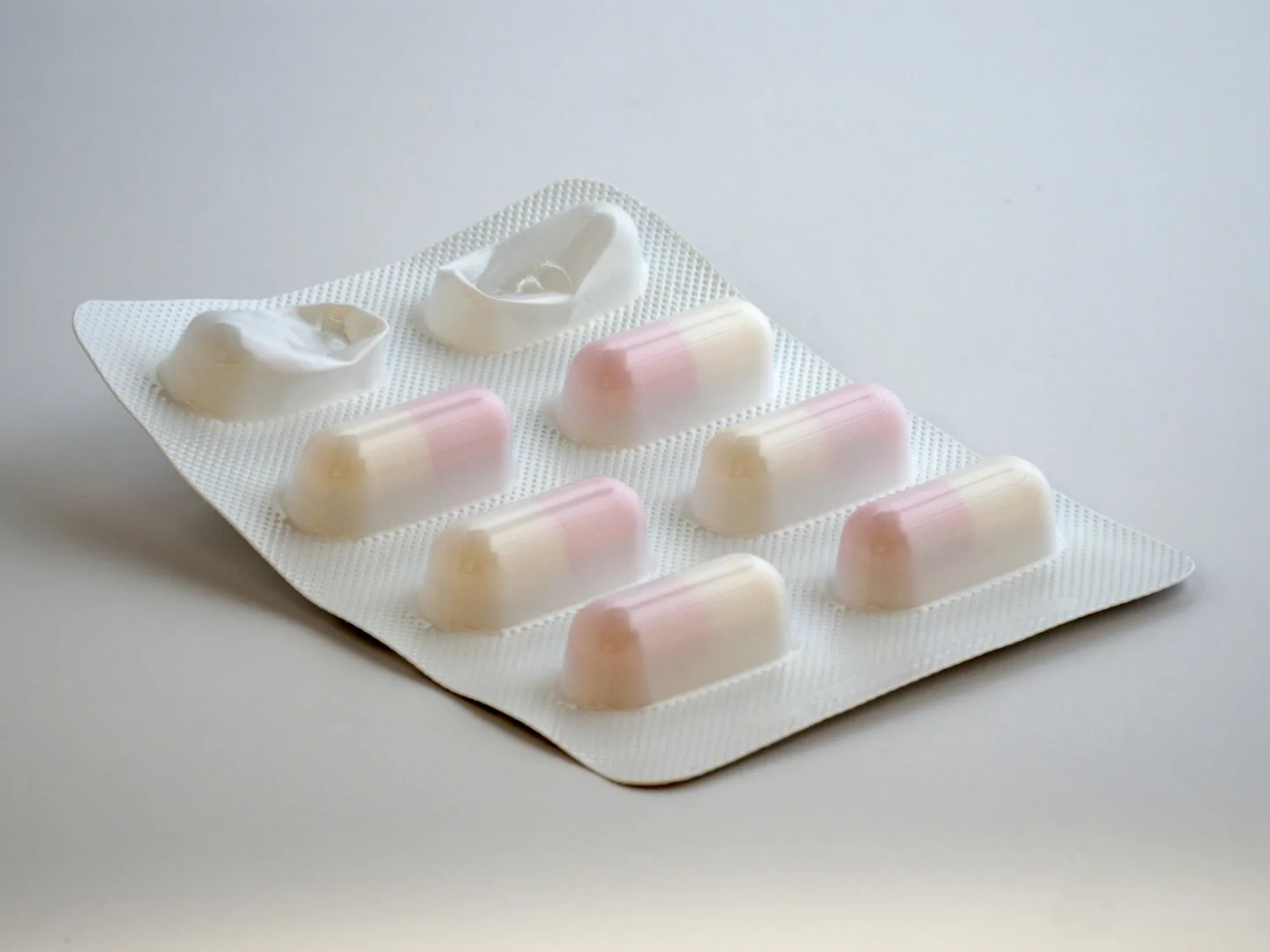
ISMP Canada published a Safety Bulletin Supplement on February 26, 2026 describing a near-miss reported through its consumer reporting program, MedError.ca: a patient nearly ingested a boric acid vaginal suppository after mistaking it for an oral capsule. The product involved was Utiva Yeast Control (boric acid 500 mg vaginal suppositories), manufactured by Szio+ Inc., a non-prescription natural health product sold to manage vaginal yeast infections. Boric acid is toxic if swallowed and is intended for vaginal use only — oral ingestion can cause serious harm. ISMP Canada identified three contributing factors: the product used a standard gelatin capsule shape typically associated with oral medications and supplements, it shipped without a vaginal applicator (which can otherwise cue the correct route), and the original packaging did not prominently display route-of-administration warnings on its principal display panels.
What changed on the packaging
After ISMP Canada shared the report with Health Canada and Szio+ Inc., the manufacturer added a red warning bar reading "FOR VAGINAL USE ONLY. NOT FOR ORAL USE" to the outer box and product insert, and added a bottle cap safety seal reading "DO NOT EAT." ISMP Canada also issued broader recommendations for any manufacturer of vaginal suppository products: use traditional suppository shapes (torpedo or cone) rather than oral-capsule shapes, display route-of-administration warnings prominently, name the formulation directly under the ingredient and strength on the front panel, include a vaginal applicator with the product, and add on-package directions in case of accidental ingestion.
Practice guidance for pharmacists
- When selling any non-prescription boric acid vaginal product, verbally confirm the patient understands it is for vaginal use only — do not assume front-of-package labelling alone will prevent confusion, especially for capsule-shaped formulations.
- Check shelf placement so boric acid vaginal suppositories are not stocked adjacent to oral vitamins, probiotics, or supplements that use a similar gelatin capsule appearance.
- Offer or point out a vaginal applicator at the point of sale if the product does not include one, and confirm the patient knows how to use it.
- Tell patients what to do if a suppository is accidentally swallowed — contact the Poison Control Centre or seek medical attention rather than waiting to see if symptoms develop.
- Report any similar near-miss or actual wrong-route incidents to ISMP Canada through the Canadian Medication Incident Reporting and Prevention System, since the manufacturer's packaging changes in this case were driven directly by a single consumer report.
This bulletin is a reminder that non-prescription, self-selected products carry their own route-of-administration risks even without a prescription or a pharmacist consultation at the point of sale, and that front-counter pharmacy staff are often the only safety check between a confusing package design and a patient who ingests the wrong product. ISMP Canada's recommendations extend beyond this one brand to any vaginal suppository sharing similar capsule-style packaging.
References
- Sharing Matters! Concerned Reporting Results in Improved Labelling to Reduce the Risk of Wrong-Route Errors — ISMP Canada, Safety Bulletin Supplement, Vol. 26 Issue 2 Suppl. 1, Feb 26, 2026